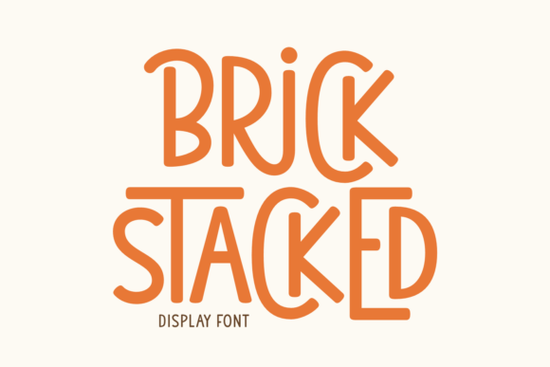
When you are working on a project that requires a balance between sturdy structure and friendly vibes, finding the right typography can take time. Sometimes standard block letters feel too rigid, while script fonts might lose legibility on large prints. We want designs that stand out without overwhelming the viewer. That is where Brick Stacked Font becomes a valuable asset for creators who need versatility across different media.
This typeface mimics the look of individual blocks built upon one another, creating a sense of height and visual weight. The unique outline allows it to pop against backgrounds whether you are cutting vinyl or printing directly onto fabric. Because it retains its character at various scales, it works equally well for large banners and smaller stickers. Educators find it helpful for making worksheets engaging, while small business owners appreciate how it adds a modern touch to branding materials.
What tools support this layout best?
Many crafters rely on software like Cricut Design Space or Silhouette Studio to prepare their graphics. The clean lines of this font simplify the cut path process, reducing the risk of fine details snapping off during weeding. The boldness ensures that even thin strokes hold up well under the pressure of adhesive backing. For digital artists using applications such as Procreate, the layered structure allows for easy coloring adjustments without losing the core shape of the letters.
You can stack these characters vertically to create custom signs or arrange them horizontally for flat layouts. The design accommodates wide spacing between kerning pairs, giving your text breathing room. This makes it particularly effective for holiday cards where festive messages require emphasis. It also translates well to printable items like planner stickers or birthday tags. If you are looking for additional bold options that pair nicely with this aesthetic, you might explore chunky display choices to see how they complement structured designs.
Are there alternatives if this style feels too geometric?
Not every brand personality matches a boxy arrangement perfectly. While this font offers a distinct energy, some projects benefit from softer edges or more organic curves. For example, if your target audience includes very young children who need high readability, you may consider browsing through other playful options specifically tailored for early literacy stages. These often feature rounder shapes that mimic handwriting, which can feel less intimidating on classroom materials.
Conversely, if you need a heavier presence without the cartoonish bounce, vintage-inspired structures provide a historical context. Traditional serif styles often carry authority and stability that block letters cannot convey. You can compare these effects by reviewing classic examples like Victorian styles to understand how weight changes perception. Additionally, mixing in softer elements helps balance the composition when you combine multiple typefaces in a single layout.
How do you ensure readability on varied products?
Even with strong letters, spacing issues can ruin a design quickly. When stacking characters, maintain consistent gaps between the columns to prevent the eye from stumbling. Test your printouts on a small scale before committing to a bulk order of t-shirts or mugs. Lighting conditions also play a role; bright sunlight reflects differently off glossy paper compared to matte cardstock.
Colors influence how visible the outlines appear. Black outlines on dark backgrounds might disappear, so switching to white or a contrasting pastel helps define the edges. If your goal is to create a cozy feeling for home décor, adding a softer handwritten touch next to the main headings can introduce warmth. This combination prevents the overall design from looking too cold or industrial, blending modern construction with approachable charm.
If you are ready to integrate this specific typeface into your current workflow, checking the latest availability on the marketplace is wise. You can view the full specifications for Brick Stacked Font. This ensures you download the correct file formats compatible with your software version.
Where else does this style fit in a project?
Beyond party supplies and apparel, this font supports commercial use in graphic design portfolios. Publishers often need attention-grabbing headers for newsletters or social media graphics that stop scrolling. The distinct outline adds depth without requiring complex shadow layers in Photoshop. Comic book writers enjoy how the letters suggest movement and sound effects, acting almost like an illustration themselves.
Farmhouse enthusiasts often seek fonts that balance rustic charm with contemporary clarity. A plain sans-serif might look sterile, but this style provides personality while remaining clean. It serves well for kitchen decor signs or seasonal greetings that reflect family values. By keeping the design simple, you avoid clutter and let the message speak for itself. Exploring more options in this collection can help you find variations that match your specific color palette or theme needs.
Quick Implementation Checklist
- Verify File Format: Ensure you have downloaded SVG or EPS files for cutting machines, or PDF/TTF for print editing.
- Test Kerning: Adjust spacing manually if certain letter combinations (like "AV") overlap awkwardly.
- Check Contrast: Always preview text on the actual material background before finalizing production.
- Layering: In software like Procreate, group the stacked blocks together to move text as one unit.
- Licensing: Review the usage rights to confirm permission for personal versus commercial merchandise sales.
Starting with the basics and refining based on feedback leads to better results than rushing into bulk orders. Use these practical steps to streamline your creative process and save money on test runs.
 Fonts Inspired by Summer Flowers for Your Projects
 Hello Angela Font: Creative Uses and Tips for Your Projects
 Groovy Melt: Creative Font Design Ideas
 Motcha Font: Design Ideas for Creative Projects
 Coastal Delight Font: Your Beachy Design Toolkit
 Choosing a Font for Your Magazine Layout