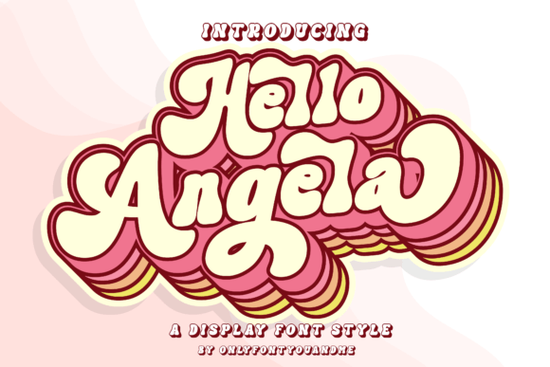
If you are hunting for a typeface that adds instant personality to your projects without feeling chaotic, Hello Angela Font is worth a closer look. This tool belongs to the display font category, which means it shines brightest when used for big text rather than body copy. It brings a playful yet professional tone that fits perfectly for wedding invitations, t-shirt designs, blog headers, and even brand identity pieces. You might find yourself reaching for it whenever you want a touch of whimsy that still looks clean and polished.
Where does this typeface fit best?
The versatility of this style lies in its ability to balance fun with readability. Because the letterforms are distinct, they grab attention immediately. Many small business owners and print-on-demand sellers prefer this setup for merchandise labels or packaging art. Imagine putting a logo on a coffee mug or a boutique bag; the curves give off a friendly vibe that helps customers connect with the brand instantly.
For editors or bloggers, headlines need to pop. Standard sans-serifs can sometimes feel too corporate for lifestyle content. Using a display style here breaks up the text flow nicely. If you frequently work on editorial layouts, you know how important legibility is alongside style. Pairing this font with a simple serif or clean sans-serif body creates a strong contrast that guides the reader’s eye down the page.
Sometimes, you might need something with more edge. While Hello Angela Font handles soft curves well, you may occasionally want to switch gears for different moods. For a vintage aesthetic, checking out picky retro collections could offer some complementary options. On the flip side, if your project leans toward nature or spring themes, browsing summer flower font displays provides a nice thematic match.
Understanding PUA Encoding for Designers
One feature that sets this character set apart is PUA (Private Use Area) encoding. If you have ever worked in graphic design software, you know how frustrating it can be to hunt through character panels to find alternate letters. Standard fonts usually limit access to basic glyphs unless the developer built them into the OpenType features menu.
With PUA encoding, every special variant lives in a specific Unicode slot. This makes accessing swashes, ligatures, and stylistic alternatives much faster. Instead of clicking through menus repeatedly, you simply map the character to the specific key or select it from the dedicated panel. This workflow saves hours during tight deadlines, especially when creating social media graphics or custom signage.
This efficiency is crucial for freelance illustrators who often juggle multiple clients. Having a font that responds quickly to manual editing means less time tweaking and more time designing. It also ensures consistency across different platforms, which is vital when sending files directly to clients or manufacturing partners.
Comparing different display styles
Not every project calls for the same attitude. Sometimes the market demands a sharper, more structured look. If you are working on a high-fashion magazine layout, exploring magazine design fonts might serve as an excellent comparison point. These types often feature stricter geometry, whereas this style offers more organic movement.
Floral elements remain popular in stationery and branding. If Hello Angela Font feels a bit too standard, alternative botanical options exist. For instance, bloomsy display options add intricate decorative flourishes that can elevate delicate wording significantly. Conversely, textured styles provide depth that plain strokes lack. Looking into motcha font sets introduces a handcrafted, rougher texture ideal for rustic branding.
Selecting the right one depends heavily on your final medium. A font that looks great on a screen might lose detail when printed on fabric. Always test your choices at various sizes before committing to a full design package.
Tips for pairing and usage
To get the most out of this typography, follow a few practical guidelines during the creation process. Here is a quick checklist to ensure your designs stay professional:
- Check Resolution: Ensure your preview images are high enough quality to spot any jagged edges in the letterforms.
- Pairing Balance: Keep body text neutral. A busy font needs calm support to prevent visual clutter.
- Licensing Review: Verify the commercial terms if you plan to sell physical products made with this design.
- Kerning Checks: Manually adjust spacing between difficult letter combinations if the auto-spacing feels uneven.
Finally, remember that tools are meant to help tell a story. This font works best when it supports the message rather than distracting from it. Test it on mockups before finalizing any assets to see how the mood shifts depending on the background color and surrounding imagery.
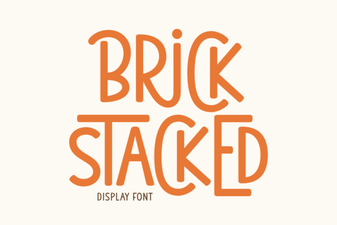 Stacked Brick Fonts for Bold, Modern Design Projects
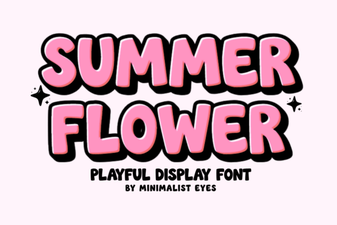 Fonts Inspired by Summer Flowers for Your Projects
 Groovy Melt: Creative Font Design Ideas
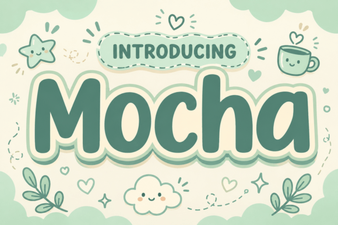 Motcha Font: Design Ideas for Creative Projects
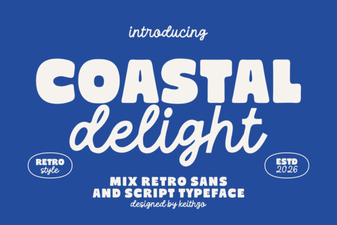 Coastal Delight Font: Your Beachy Design Toolkit
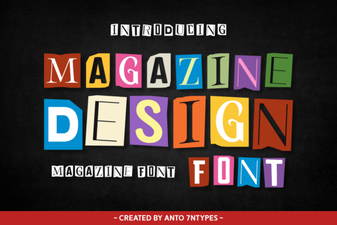 Choosing a Font for Your Magazine Layout