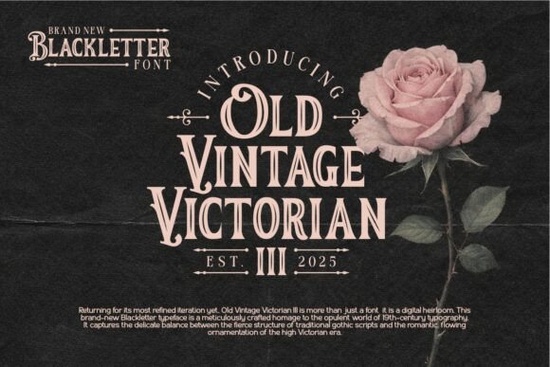
If you are working on a project that needs immediate character, Old Vintage Victorian III Font offers exactly that touch of history. This typeface captures the ornate flourishes and bold serifs typical of the 19th century, creating a distinct visual impact that stands apart from modern sans-serifs. It is not merely a collection of letters; it is a tool designed to evoke sophistication, heritage, and a sense of timeless luxury. Whether you are labeling a craft beer bottle or designing a wedding invitation suite, getting the right texture and weight matters significantly.
When to Apply Decorative Serif Typefaces
This particular set was specifically created to be read in large settings. Trying to use it for long paragraphs of body text often results in readability issues due to the high contrast and decorative inlines. Instead, reserve these characters for display purposes such as headlines, posters, or main branding elements. The strong vertical stress combined with dramatic thick-and-thin transitions commands attention immediately. You will find it pairs best with minimal backgrounds that do not compete with the intricate detailing of the swashes and flourishes. Because the design carries a lot of information visually, simple layouts work best to let the type breathe.
Historical accuracy matters in certain industries, which is why authenticity is key when selecting your assets. Many sellers struggle to find typography that feels genuine rather than generic retro kitsch. The aesthetic ensures that Victorian display font designs maintain an old-world character suitable for distillery labels, vintage apparel, classic restaurant branding, and striking display headlines. If you run a small business selling artisan goods, this style communicates quality and tradition without needing a complex logo system.
Complementary Styles and Alternatives
No single typeface solves every problem. While this Victorian style dominates the scene with its heavy strokes, sometimes you need lighter textures or different proportions to balance the composition. If you are looking for a more fluid, handwritten feel to complement a strong headline, exploring the elegant scripts found in Selina Daniel Duo might provide a nice contrast between structure and movement. Similarly, if your project requires a blockier, more industrial look to offset the curves of the Victorian style, checking out options like Brick Stacked can introduce a grounded foundation.
Sometimes the market demands something less rigid but still retaining a display presence. A relaxed, casual feel could suit a boutique clothing line better than a heavy historical face. In those moments, designs like Coastal Delight offer a breezier alternative for summer-themed campaigns or relaxed retail environments. Conversely, if your goal is purely elegance with floral motifs integrated into the letterforms, looking at Bloomsy provides a softer floral touch that aligns well with bridal or garden parties.
Finally, space management is crucial when working with wide letter sets. When you need something condensed to fit tighter headers without losing legibility, a style similar to Varsity Narrow can help fill narrow spaces effectively. This variety ensures that your brand remains consistent even when adapting to different media, from merchandise tags to social media graphics. Mixing these styles correctly keeps your visual identity cohesive rather than chaotic.
Installation and Technical Details
Once you have selected your asset, setting it up is straightforward. Most files come in standard OpenType or TrueType formats compatible with major design software like Adobe Illustrator, Photoshop, and Affinity Designer. Before applying the Old Vintage Victorian III to your canvas, verify your license permissions, especially if you plan to resell printed items. Ensure you check the kerning table provided with the download; some vintage families have tight default spacing that looks better after slight manual adjustment.
You should also test the rendering on physical proofs before committing to a full print run. Screen resolution often misrepresents thin strokes, making them appear too light or missing entirely on low-quality paper. High-contrast fonts generally perform best on heavier card stocks where the white space of the thin strokes is preserved. Avoid stretching the glyphs vertically or horizontally, as this distorts the intended contrast ratios and ruins the historical integrity of the design.
- Verify Licensing: Ensure you have the right to use the font for commercial products if selling finished goods.
- Test Readability: Print a sample at actual size to check ink bleed on thin serifs.
- Pairing Check: Combine with simple sans-serifs for body text to maintain hierarchy.
- Kerning Adjustments: Manually tweak spacing around swashes and ligatures for smoother flow.
- Vectorize: Always convert text to outlines before finalizing files for professional printing.
Ultimately, choosing a period-specific typeface involves balancing nostalgia with modern usability. By prioritizing legibility and respecting the original design intent, you create work that respects history while meeting current standards. Take the time to review how the thick and thin elements interact with your imagery. This thoughtful approach ensures your final output looks polished and professional rather than dated or cluttered.
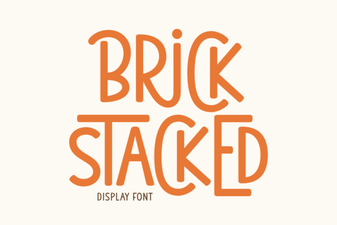 Stacked Brick Fonts for Bold, Modern Design Projects
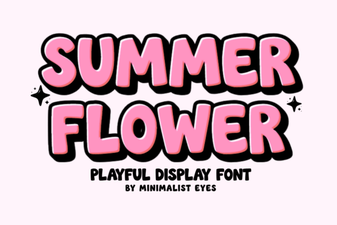 Fonts Inspired by Summer Flowers for Your Projects
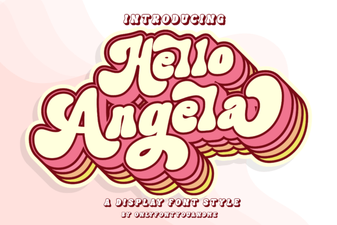 Hello Angela Font: Creative Uses and Tips for Your Projects
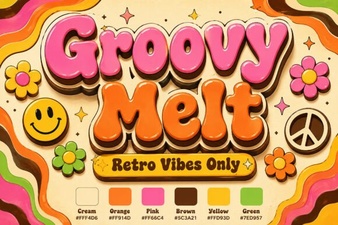 Groovy Melt: Creative Font Design Ideas
 Motcha Font: Design Ideas for Creative Projects
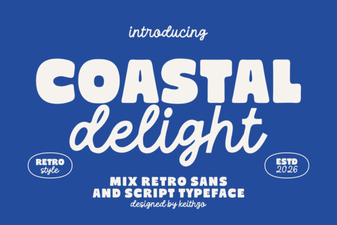 Coastal Delight Font: Your Beachy Design Toolkit