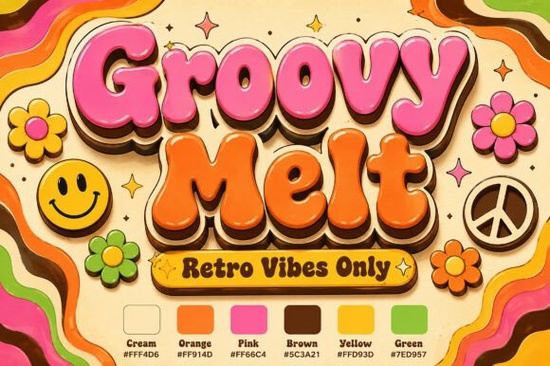
If you have ever wanted to capture the specific energy of the 1970s without sacrificing readability, the Groovy Melt Font offers a unique solution. This typeface is designed to transport your canvas back to the golden era of psychedelic art while maintaining enough structure to function well in modern layouts. We often find that designers struggle to balance authenticity with legibility when using highly decorative typefaces, but this option bridges that gap effectively.
The core concept relies on ultra-plump, volumetric script letterforms that follow an organic path. Instead of sitting perfectly on a rigid line, the characters appear to dissolve along a wonderfully melting baseline. This creates a sense of movement and fluidity that static serif or sans-serif fonts simply cannot achieve. When rendered correctly in design software, the text looks beautifully alive, which is essential for grabbing attention quickly on social media thumbnails or large format prints.
What gives this display typeface its unique character?
Visual identity relies heavily on texture and mood. This premium set utilizes a high-contrast palette concept that is hinted at in its naming conventions, typically involving bubblegum pinks and retro oranges to signal warmth and fun. Even if you apply solid monochrome fills for black-and-white printing, the form itself carries the weight. Each character is accented with liquid highlights implied by the shape of the terminals, backed by deep drop shadow depth that adds volume. This combination delivers a profound sense of established design mastery. For those interested in exploring other vintage aesthetics, reviewing collections found at bloomsy font can provide inspiration for blending nature elements with that same nostalgic flair.
Which design projects suit this aesthetic?
Knowing where to apply this style is just as important as knowing how to install it. An extraordinary match exists for vintage festival posters where the goal is to evoke excitement and relaxation simultaneously. The bold lines stand up well against busy background images or stage lighting photos. Beyond events, custom sticker lines benefit from the rounded edges, which tend to cut cleanly on die-cut vinyl machines. Mid-century lifestyle branding also finds good footing here, particularly for boutiques selling ceramics, records, or home goods.
Seller profiles on platforms like Etsy or Shopify often rely on personality-driven logos. If you are launching a funky apparel line, the text graphic becomes the product itself. However, finding the right partner for a complete look matters. You might compare this style with friends like remember things font if your project leans more toward sentimental memories rather than party vibes. It ensures consistency across your marketing materials while keeping the brand voice recognizable.
How does licensing affect commercial use?
Crafters and small business owners often worry about the fine print regarding digital assets. Before purchasing any kit, confirm whether you need a Personal License or Commercial License depending on your sales volume. Most vendors allow you to create physical items like t-shirts, mugs, and tote bags under commercial terms, meaning you sell the final product. Digital resale is usually restricted, so ensure you read the specific agreement attached to the download. Some creators prefer pairing their main headline font with a complementary handwriting set for versatility. For a duo approach similar to the utility offered by selina daniel duo font, you could mix clean labels with expressive headlines.
Another consideration is compatibility with your current software suite. Most modern web tools and desktop applications support OpenType variations, allowing for advanced ligatures or alternate glyphs if included in the package. If you want something broader for general greetings, checking out a family like awesome everybody font might help cover your needs for smaller body text alongside the larger display elements.
Are there alternative vintage options available?
The retro market is saturated, so finding a font that stands out requires testing. While this set focuses heavily on the melting liquid effect, others may prioritize geometric shapes or brush strokes. Picky retro font represents another strong contender if you prefer sharper edges over rounded forms. Testing both on your screen before committing helps visualize the final output. You can export samples with your logo mockup to see how they scale from a business card to a billboard.
It is crucial to understand that high-volume typefaces come with specific rendering behaviors. Sometimes, kerning adjustments are necessary when text gets very long. The melting baseline works best with shorter phrases or titles. Long paragraphs would lose impact because the eye wanders too much between the wobbly alignment. Use this tool specifically for headlines, quotes, and emphasis points where visual drama is required.
Practical Checklist for Your Next Project
- Verify File Format: Ensure you have .OTF or .TTF files compatible with your cutting machine or design software.
- Test Scaling: Try shrinking the text down to check if the intricate details become illegible pixels.
- Match Backgrounds: Dark backgrounds enhance the light colors suggested by the design, improving contrast.
- Licensing Review: Double-check if your intended use falls under personal or commercial terms.
- Mix Fonts Carefully: Pair with simple sans-serifs if you include subtext to avoid visual clutter.
When you decide to grab the full asset, look directly at the source via Groovy Melt. Using the correct tool allows you to execute professional-grade designs without needing advanced Photoshop skills. Whether you are making a birthday invitation or a storefront sign, applying these techniques yields consistent results.
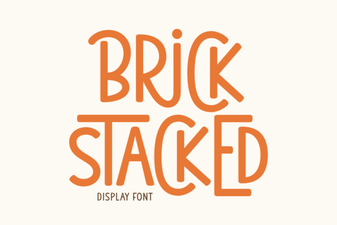 Stacked Brick Fonts for Bold, Modern Design Projects
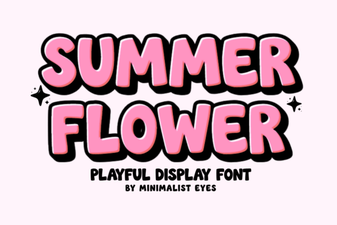 Fonts Inspired by Summer Flowers for Your Projects
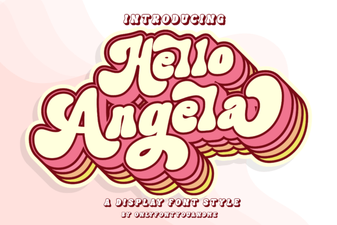 Hello Angela Font: Creative Uses and Tips for Your Projects
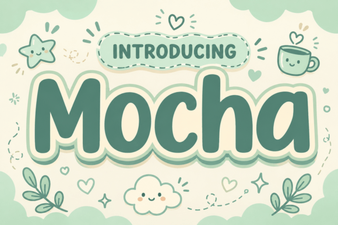 Motcha Font: Design Ideas for Creative Projects
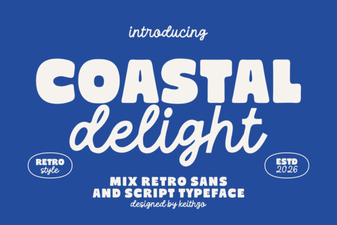 Coastal Delight Font: Your Beachy Design Toolkit
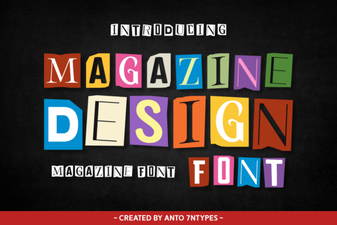 Choosing a Font for Your Magazine Layout