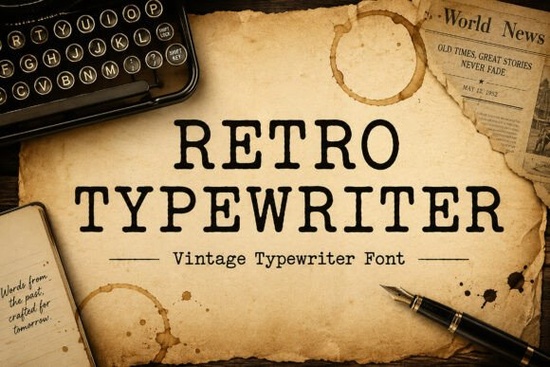
When you start a new design project, choosing the right typeface can change everything. Sometimes you need something modern and minimal, but other times you need to evoke a specific era or feeling. For projects requiring a sense of history or handmade warmth, the Retro Typewriter Font is an excellent choice. It brings the timeless charm of old-school typing machines into your layouts. Whether you are creating posters for a local event or designing a book cover for a mystery novel, this serif typeface captures the authentic feel of classic typewritten documents.
What kind of projects benefit from this vintage aesthetic?
This typeface works best when you want to convey authenticity. The letterforms are clean yet slightly imperfect, much like ink hitting paper through an actual machine. This imperfection adds character that digital perfection often lacks. You might find yourself reaching for this font when working on vintage branding kits, editorial design layouts, or even newspaper spreads.
If you run a small business selling physical goods, consider how this font impacts packaging design. A rustic concept gains personality instantly with these retro lines. It also serves well for social media graphics that aim to stop a scroll. Because it mimics the mechanical rhythm of a keyboard, it resonates well with writer-themed merchandise like t-shirts and mugs. Think about your next project. Are you trying to tell a story about the past? This font helps establish that timeline immediately.
While this font is specialized, exploring other options can help you refine your look. For instance, designers who prefer softer edges often enjoy the flow found in the Desevon family of serif fonts. On the other hand, if you need bold impact without losing that classic structure, checking out Montage serif fonts could provide a great contrast to typewriter styles.
How does this typography fit into broader design trends?
Nostalgia remains a powerful tool in marketing and art. Using Retro Typewriter Font allows you to tap into memories of mid-century writing pads or detective stories. It stands out against backgrounds that are too slick or corporate. When combined with warm colors or textured papers, the text feels tangible.
You should also consider complementary assets when building a full design system. Sometimes a single font isn't enough to create atmosphere. In those cases, looking for supporting typefaces is helpful. Fonts like Silkydusk offer a different texture while maintaining high readability, giving you flexibility without breaking the visual mood. Mixing a typewriter font with a sans-serif headline can create a balance between old and new, making your work relevant today while honoring the past.
For those interested in the history behind these characters, reading about the mechanics of early printing presses can deepen your understanding of why certain shapes resonate with us. Resources on typographic history explain the evolution of kerning and stroke width. Understanding this background helps you pair fonts correctly.
Are there any limitations to keeping this style consistent?
No single font solves every problem. This typeface relies on distinctiveness. Overusing it in large blocks of body text can become hard to read for extended periods. It shines brightest when used for headlines, pull quotes, or short captions. For long articles, pairing it with a highly readable sans-serif for the main content is a practical approach.
- Licensing: Always check your license terms before uploading to marketplaces.
- Compatibility: Ensure the file supports Windows, Mac, and web formats.
- Legibility: Test print samples on different paper weights to see how the ink settles.
- Contrast: Pair dark text with light backgrounds to maintain clarity.
Ultimately, the goal is to make your design memorable. By selecting the right tools, you spend less time searching for replacements and more time finishing the job. Whether you are launching a boutique brand or just crafting a journal for personal use, getting the details right matters.
Once you have tested the files and confirmed the spacing, save your favorites to a folder for future reference. This habit saves hours during busy seasons. Now that you know how to integrate this style effectively, check the file size and download instructions to ensure smooth installation on your design software.
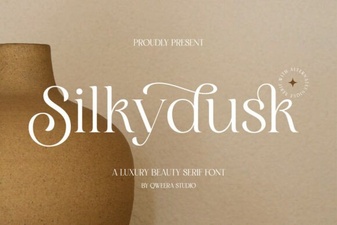 Silkydusk Font: Elegant Typography for Designers
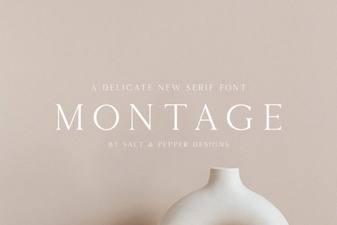 Download Montage Font for Creative Design Projects
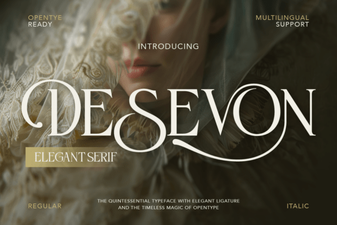 The Desevon Font: Modern Design for Your Creative Projects
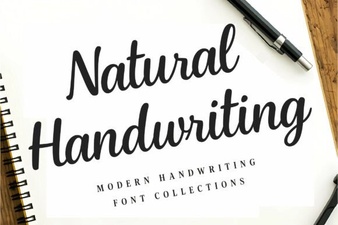 Unique Handwriting Fonts for Creative Projects
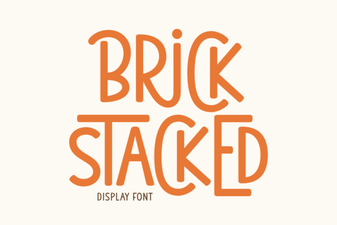 Stacked Brick Fonts for Bold, Modern Design Projects
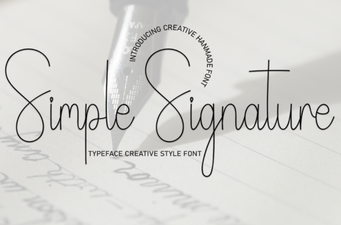 Simple Signature Fonts: Elegant Styles for Creative Projects