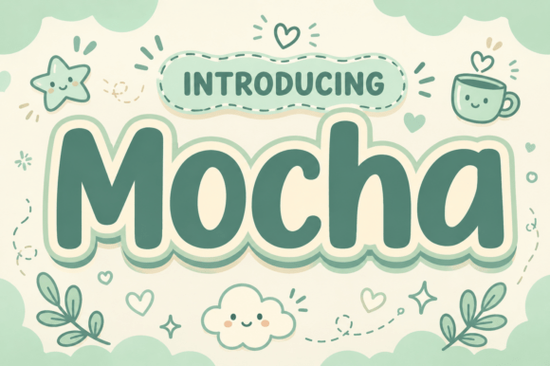
If you have ever struggled to find a typeface that feels warm yet legible, you know how important the right choice is for a brand. Many designers reach for standard serif or sans-serif options, but they often miss the charm of custom display faces. For those seeking a blend of strength and softness, the Motcha offers a unique solution. This display font brings a pillowy quality to every headline, making it perfect for projects needing a gentle touch without losing impact.
Design choices communicate emotion before a customer reads a single sentence. You want your visuals to feel like a warm hug rather than a stern instruction. That is why understanding the structure of letterforms matters. This specific face uses heavy presence balanced with casual approachability. Its rounded contours and clean geometry allow it to stand out while remaining easy on the eyes. It works exceptionally well when you want your audience to feel comfortable interacting with your content.
Why does a cozy typography style matter for branding?
Branding is more than just a logo; it is the tone of voice translated into shapes. When you select a font like Mocha, you signal safety and relaxation to your potential clients. This is crucial for industries like home decor, wellness, or food service. Unlike harsh, industrial-looking types, a softer display font invites conversation. It helps reduce the visual noise that often overwhelms users scanning a website or packaging.
However, comfort does not mean sacrificing clarity. The letterforms are designed to maintain their identity even at smaller sizes or across different backgrounds. This balance allows creators to build a cohesive visual identity that scales well. If you are working on a project where trust and familiarity are key, choosing the right display font can change the outcome significantly. It acts as the foundation for your color palette and imagery, ensuring everything stays unified. Sometimes, you might need a stark contrast for variety. Exploring other distinct aesthetics, such as classic ornamental options, can help you understand how different weights serve different goals.
Different ways to apply these warm letterforms
Once you understand the vibe, the applications become clear. Print-on-demand sellers often need artwork that resonates emotionally. Merchandise featuring mugs or tote bags benefits from text that looks handcrafted rather than machine-made. Children’s book titles require characters that look friendly and inviting. In these cases, the bold weight catches attention, while the rounded edges keep the tone light. Even social media headers can benefit from this approach, as they stop the scroll better than thin, delicate scripts.
For larger scale projects, such as editorial layouts or packaging, visibility is paramount. If you are setting up a magazine or a brochure, you need headlines that dominate the page without shouting. Comparing your needs against various headline solutions helps you decide if this is the right tool. There are plenty of bold statement letters available online that offer similar structural strengths for wide formats.
How to mix fonts for a complete look
No designer works with a single typeface forever. Pairing is essential for professional results. You might use this display font for headlines and switch to a neutral sans-serif for body copy. This creates rhythm in your design, guiding the eye through the information hierarchy effectively. If you prefer working with complementary pairs, looking into paired duo sets can provide immediate harmony. These collections are pre-tested to work well together, saving you time during the layout phase.
Another consideration is the emotional resonance of the text on specific surfaces. Lifestyle products often carry messages of encouragement or nostalgia. Fonts designed for these whimsical message styles fit perfectly into greeting cards or gift boxes. They bridge the gap between digital screens and physical goods. When you hold an item with this kind of warmth, it feels personal and thoughtful. This connection drives engagement and makes people remember your work long after they put it down.
Where else can you utilize this versatile font family?
- Lifestyle Packaging: Great for tea, soap, or artisanal food items.
- Event Invitations: Creates a welcoming atmosphere for weddings or birthdays.
- Social Media Graphics: Stands out in busy feeds due to its volume.
- Ebook Covers: Sets the mood instantly for readers browsing platforms.
- Website Headers: Establishes a strong first impression on landing pages.
In the competitive landscape of creative work, standing out requires intentional design decisions. It is not about adding more elements but choosing the ones that carry the right weight and meaning. By focusing on the emotional response your typography evokes, you create a stronger bond with your audience. Whether you are launching a small business or updating a portfolio, having access to high-quality assets simplifies the process.
Practical Checklist for Your Next Project
Before finalizing your design files, run through this quick review to ensure the typography fits your intent.
- Confirm the file supports the languages you need for your region.
- Test the font at both large headline sizes and smaller caption sizes.
- Check contrast ratios between the text color and background image.
- Verify licensing terms if you plan to sell merchandise with the design.
- Ensure the kerning (spacing between letters) looks balanced in your software.
Taking these steps prevents costly errors later in production. Good design relies on preparation as much as creativity. When you combine a solid font selection with careful planning, your results reflect true mastery. Remember that tools like this exist to support your vision, not replace it. Keep experimenting with different combinations until the layout feels right for your unique voice.
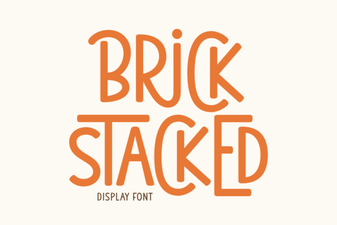 Stacked Brick Fonts for Bold, Modern Design Projects
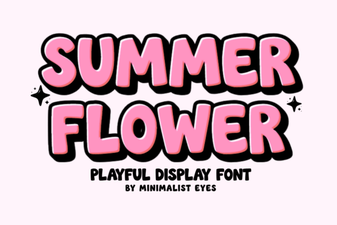 Fonts Inspired by Summer Flowers for Your Projects
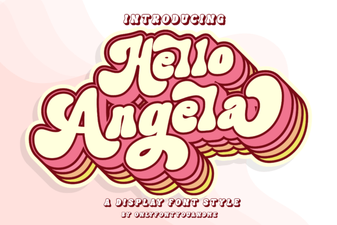 Hello Angela Font: Creative Uses and Tips for Your Projects
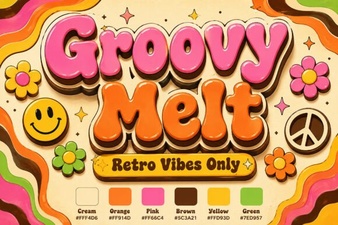 Groovy Melt: Creative Font Design Ideas
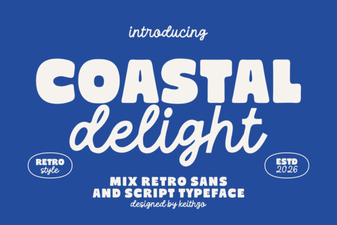 Coastal Delight Font: Your Beachy Design Toolkit
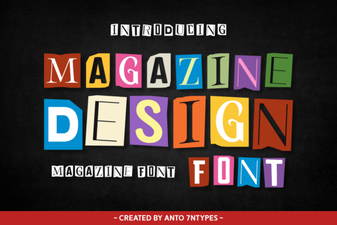 Choosing a Font for Your Magazine Layout