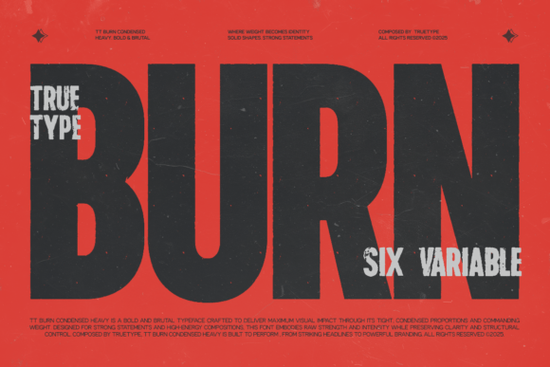
If your project needs headlines that take up less room but still command attention, the TRT Burn offers a precise solution. It solves a common issue in layout design where standard fonts waste valuable vertical or horizontal space. Whether you are creating a poster, a social media graphic, or packaging for a physical product, saving inches can prevent clutter while keeping text legible. This typeface focuses on efficiency and strength, making it suitable for projects where space is limited but presence is required.
Why choose a condensed typeface for tight layouts?
Sometimes you need to fit a lot of information into a small area without the text feeling cramped or messy. Traditional sans serifs can spread out too wide, forcing designers to adjust margins or reduce font size until readability drops. A condensed style allows you to maintain a large visual size without exceeding the designated column or banner width. When looking at other options for compact designs, many professionals explore resources like the Brisca sans-serif fonts collection to understand different stroke weights.
TRT Burn uses a narrow x-height and confident vertical proportions to stay sharp even at smaller sizes. This geometry helps the letters stand close together without merging visually. You do not need to sacrifice clarity to gain space. When applying this to print-on-demand merchandise, like t-shirts or mugs, a compressed font ensures your message isn't lost on small print areas. It avoids the boxy look that happens when you simply shrink a regular font. Instead, the letterforms are drawn specifically to utilize the width efficiently.
How this fits into branding and web design?
Versatility matters when choosing a paid asset. You want a file set that works across digital screens and paper goods. While the core strength is in display applications, the clean lines translate well into user interface elements. For brands needing a strong identity without the frills of traditional serifs, this approach provides a modern edge. Designers often cross-reference similar styles to ensure their system is balanced. You might look at geometric variations found in the Mansory sans-serif fonts category for additional style options if you need a variation on a theme.
The neutral yet assertive tone makes it safe for corporate communications or tech startups that want to appear efficient. It pairs well with body copy that is open and airy, creating a nice contrast in hierarchy. In a marketing campaign, headlines using this style can deliver the main value proposition quickly. Users scanning a landing page can catch the essence of the offer faster. This efficiency reduces bounce rates because the design feels organized rather than chaotic. Comparing the structural integrity of Brisca against wider bodies helps you decide what fits your specific medium best.
Is it a good fit for print versus digital?
Different mediums require different file handling. Screens render pixels differently than ink prints on paper. The outline quality of modern vector fonts generally handles scaling very well, preventing jagged edges. However, spacing settings often need adjustment depending on the output device. For large format printing like billboards or signage, the condensed nature becomes a tool for managing density. On mobile devices, where screen width is narrow, fitting full slogans without wrapping lines too frequently keeps the user focused. Exploring the Modern Heritage sans-serif fonts page can give insight into how different historical interpretations influence current condensed trends.
It is important to verify the included file formats before purchasing. Standard OTF and TTF files cover most software requirements including Adobe Suite and Canva. If you work with CSS web font embedding, ensure you have WOFF versions if available for performance. Testing the kerning in your final mockups helps catch any minor spacing errors inherent to the condensing process. You can review the full details and assets on the TRT Burn font sans-serif fonts listing page to confirm compatibility with your current workflow.
- Check if the font license covers commercial resale for items you create.
- Export proof files for both print and screen to test readability.
- Verify that the file package includes all language glyphs needed.
- Compare sample kerning with your body text fonts before finalizing.
Tips for implementation: Start by setting the headline to your usual point size, then scale down the width rather than the height to see the difference. If the design feels too heavy, try pairing it with a thinner weight from the same family. This method ensures consistency while maintaining the specific advantages of the condensed structure.
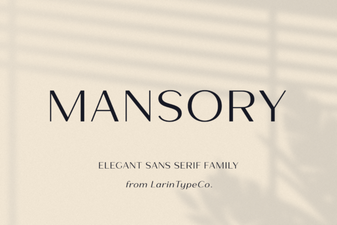 The Mansory Font: Design, Application & Inspiration
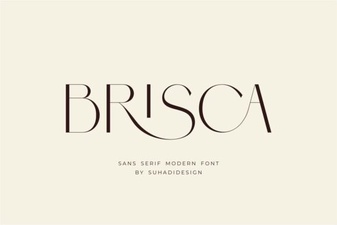 Brisca Font: Creative Typography for Modern Design
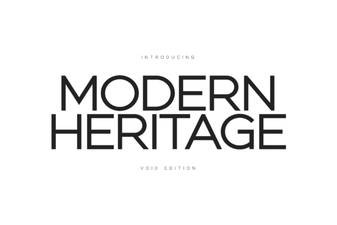 Modern Heritage Fonts for Creative Design Projects
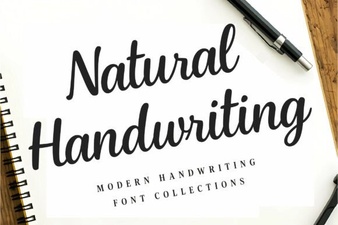 Unique Handwriting Fonts for Creative Projects
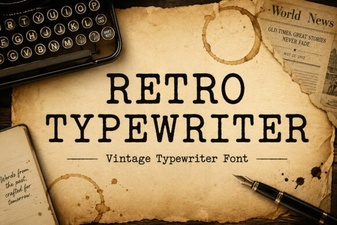 Craft Vintage Style with Retro Typewriter Fonts
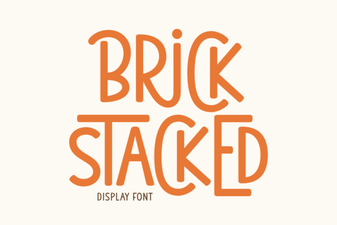 Stacked Brick Fonts for Bold, Modern Design Projects