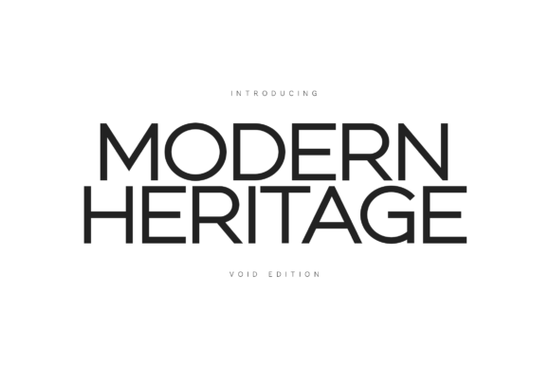
The Modern Heritage Font brings a fresh perspective to minimalist design while maintaining professional integrity. This specific typeface is built on the concept of negative space, allowing your text to breathe even when density increases. It captures the essence of classic Swiss typography and adapts it for modern digital environments. Whether you are working on a luxury brand identity or a functional interface, choosing the right sans-serif changes how audiences perceive quality. You will find that the clean lines and balanced proportions help establish trust immediately.
Why the Void Edition stands out for designers
This version of the typeface introduces an ultra-clean aesthetic that prioritizes readability without sacrificing style. The generous x-height ensures characters remain distinct at smaller sizes, which is crucial for mobile applications and fine print. Its monolinear strokes provide consistency across weights, making it reliable for various media. If you are interested in exploring similar characteristics within the collection, visiting additional samples of this specific typeface family can offer inspiration for your next project layout. The contrast between thick vertical stems and thin horizontal connections creates a unique rhythm in headlines.
Finding the right source for high-quality vector graphics often involves searching through extensive libraries. For those looking to find this specific character set on the platform, you can Modern Heritage Font. This direct connection allows you to access the full kit including OTF, TTF, and WOFF formats compatible with major design software. The file package includes kerning pairs optimized for spacing, ensuring your final output looks polished before you even begin editing.
Comparing this style to other clean fonts
Not all sans-serifs perform equally when used for architecture or interior design branding. Some lack the structural rigidity needed for technical drawings, while others feel too heavy for editorial work. In terms of balance and legibility, it shares similarities with clean letterforms like Brisca. Both options focus on neutral shapes that recede to highlight the content rather than the font itself. However, the void edition takes a bolder approach with its stroke widths, offering a slightly more aggressive edge that suits contemporary fashion labels better than traditional serif pairings.
When selecting type for large scale applications, stability is key. High-end fashion labels often require typography that feels established yet undeniably futuristic. This font delivers that presence by mastering the art of proportion. Unlike display fonts that demand attention solely through novelty, this choice maintains a quiet confidence. It supports dense information layouts without creating visual clutter, making it ideal for websites requiring detailed specs or pricing tables.
Which industry benefits most from this typography?
Tech-focused interfaces benefit significantly from reduced eye strain, and consistent stroke width aids in screen rendering. Architects appreciate the precision required for blueprints and promotional materials. If you need something with a bit more character for a rugged aesthetic, consider contrast-heavy options like TRT Burn when switching up your hierarchy. Still, for a sleek, unified look across business cards, invoices, and headers, this minimalist approach remains superior. It avoids dated trends that often require frequent updates as graphic norms shift.
Small businesses also find utility here because the investment pays off across multiple platforms. A logo created with strong fundamentals ages well without needing redesigns. When moving to packaging or environmental signage, the clarity ensures brand recognition from a distance. To further refine structured layouts with geometric consistency, explore geometric precision found in Mansory as a complementary tool for grid-based designs. Combining strong structures with open spacing helps guide the viewer’s eye logically through marketing materials.
Practical application checklist
- Verify weight availability: Ensure you download the full range from regular to bold to maintain hierarchy.
- Test print resolution: Export files in 300 DPI for physical marketing assets to maintain sharp edges.
- Kerning review: Always manually check tight pairings in headlines before publishing.
- Web optimization: Convert to WOFF2 for faster loading times on browser-based applications.
- Licensing check: Confirm whether commercial rights cover the specific volume of prints intended.
Implementing this font correctly requires attention to line height and alignment. Setting a comfortable margin around body copy prevents the design from feeling cramped despite the high-contrast elements. By keeping white space generous, the typography achieves a breathable quality that aligns with current user experience standards. Ultimately, the goal is communication, and this design system supports clear messaging without distraction.
Moving forward with your projects, remember that good design relies on intentionality rather than decoration. Selecting tools that facilitate clarity over noise reduces the cognitive load on your audience. This resource provides that foundation effectively. With careful pairing and proper formatting, you can produce work that feels both timeless and current.
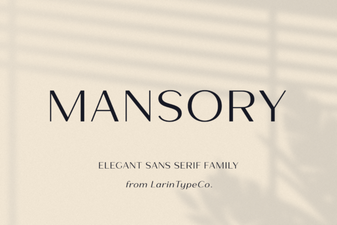 The Mansory Font: Design, Application & Inspiration
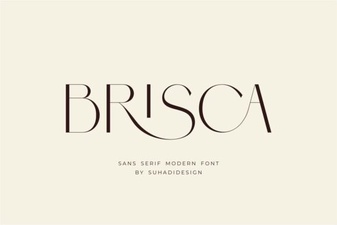 Brisca Font: Creative Typography for Modern Design
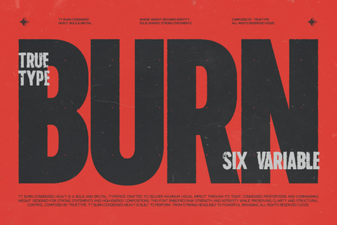 Trt Burn Font: Projects & Creative Uses
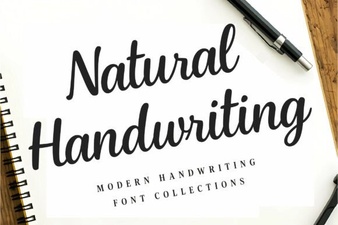 Unique Handwriting Fonts for Creative Projects
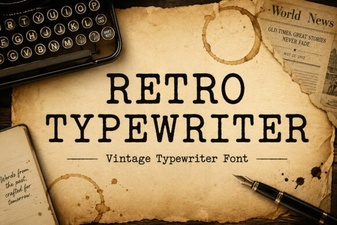 Craft Vintage Style with Retro Typewriter Fonts
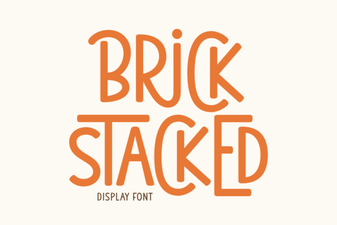 Stacked Brick Fonts for Bold, Modern Design Projects