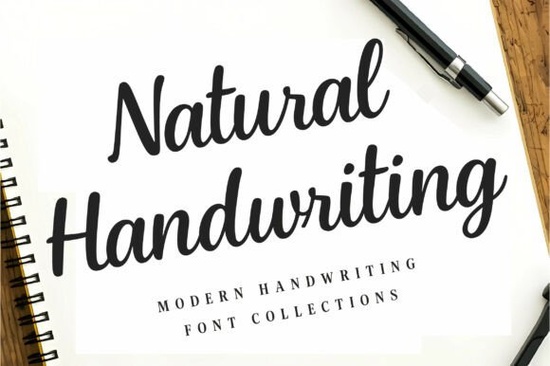
Many designers struggle to find a typeface that looks authentic yet remains easy to read on paper or screens. You need something that feels like it was written by a real person without sacrificing clarity. This is where Natural Handwriting Font comes in. It solves the common problem of digital type feeling too stiff for projects that require a human touch. By combining informal writing styles with professional legibility, this script allows creators to communicate sincerity instantly.
When you use this typeface, your audience notices the difference immediately. Whether you are creating thank-you cards for small business orders or designing Instagram posts for a brand, genuine penmanship builds trust faster than standard text. The font offers moderate weight and flowing connections, meaning it works well across different media without breaking down at smaller sizes. If you are unsure where to begin, you can explore the official listing for the Natural Handwriting Font.
What makes this script unique for small projects?
Standard script fonts often have exaggerated loops or thin lines that disappear when printed on textured paper. This collection avoids those pitfalls by mimicking everyday penmanship rather than calligraphy. It sits somewhere between a casual signature and a formal cursive style, which makes it versatile for many applications. You get the look of a quick note written with a felt-tip pen, but the consistency of a software tool.
This balance is critical for specific use cases:
- Branding and Logos: Small businesses often want a friendly face without hiring a custom illustrator. Using this text in a logo suggests approachability.
- Stationery and Crafts: Journals, planners, and personalized labels benefit from the organic feel of the letterforms.
- Social Media Graphics: Captions that need to stand out in a feed often perform better when they appear handwritten rather than typed.
- Watermark Signatures: The flow of the letters creates distinct shapes that work well for protecting images online.
How does it compare to other script collections?
If you are browsing through marketplaces, you might see many styles labeled similarly. However, some scripts lean too heavily into messy handwriting, making them unreadable for headlines. Others are too rigid, losing the charm of hand-lettering. To understand how this fits into the broader market, you might look for other realistic script options available in curated sets. These comparisons help clarify why this specific design stands out for projects needing a sincere connection.
Additionally, different occasions call for different moods. For example, if you are working on autumn-themed invitations, you might prefer styles designed specifically for seasonal decorations. Conversely, when your project has a chill, relaxed aesthetic, you might consider fonts geared toward casual weekend vibes. Knowing when to switch between these specialized scripts ensures your final design hits the right emotional note for the viewer.
Is it suitable for commercial print-on-demand?
Yes, provided you review the license included with your purchase. Many crafters create t-shirts, mugs, and stickers using this kind of typography because it translates cleanly from vector files. The key to success in print-on-demand is ensuring the text remains legible on various colors and materials. Because this font maintains clear strokes even in its connected forms, it reduces the risk of ink bleed issues on dark fabrics.
You should also consider pairing it with a clean sans-serif body text. Using it solely for long paragraphs usually results in poor readability. Instead, reserve it for short headers, pull quotes, or captions. If you are planning a series of notes, you can pair it with a style that handles projects requiring quick penmanship without looking cluttered. This combination keeps the layout balanced and professional while retaining personality.
Practical steps for integrating the typeface
To ensure the best results, follow these quick steps before finalizing your file.
- Test Spacing: Adjust kerning manually if certain letter pairs look too tight or loose.
- Check Resolution: Export your designs in high-resolution formats for printing.
- Contrast Check: Ensure the color of the text stands out clearly against the background.
- Licensing Review: Confirm your commercial license covers the intended use case.
By paying attention to these details, you protect yourself from potential disputes and ensure your work looks polished. Always verify the licensing terms associated with the asset pack, especially if you are selling physical goods. Taking these precautions guarantees that your designs remain both legally sound and visually appealing to your customers.
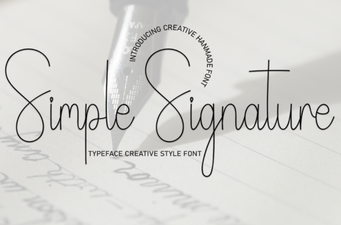 Simple Signature Fonts: Elegant Styles for Creative Projects
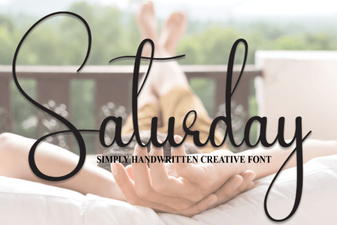 Saturday Font Ideas for Creative Design Projects
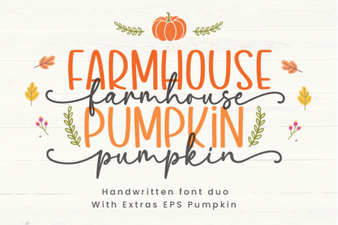 Farmhouse Pumpkin Font Designs for Autumn Projects
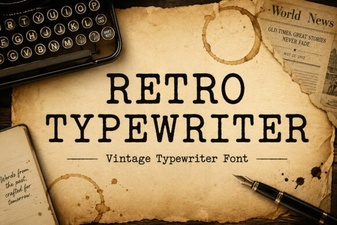 Craft Vintage Style with Retro Typewriter Fonts
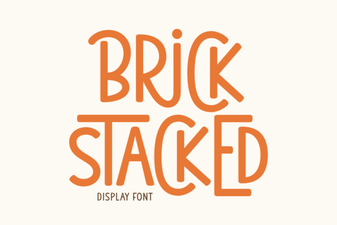 Stacked Brick Fonts for Bold, Modern Design Projects
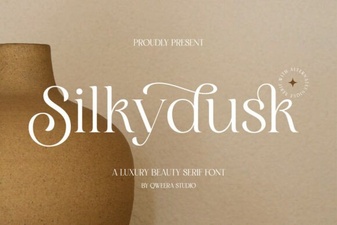 Silkydusk Font: Elegant Typography for Designers