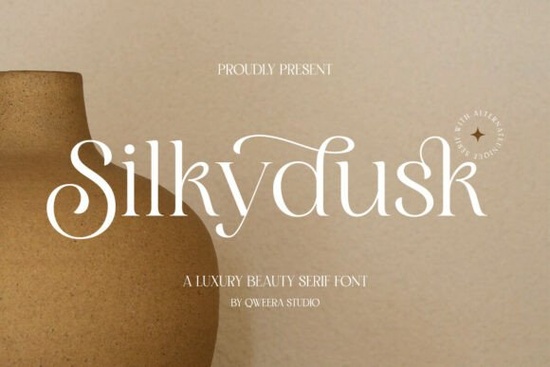
Finding the right typography can make or break a project, especially when you need a look that feels expensive but remains easy to read. Many designers and small business owners struggle to balance modern aesthetics with traditional elegance. The Silkydusk Font addresses this common issue directly by offering a typeface that works across various platforms without losing its character. Whether you are working on packaging for skincare products or designing a boutique brand, having a reliable serif can simplify your workflow significantly.
How does this font handle different design needs?
This typeface is crafted for users who value a touch of sophistication without getting lost in overly decorative details. The strokes are balanced to support both bold headlines and smaller body text. You can use these graceful forms for wedding invitations where legibility matters just as much as beauty. For fashion magazines, the smooth curves help maintain a high-fashion vibe while ensuring the layout doesn't feel cluttered. It is versatile enough for digital screens and print materials alike, making it a practical choice for your {category} tasks.
The design includes specific features that many standard fonts lack. You will notice delicate ligatures that naturally connect certain letter combinations. This creates a more fluid reading experience compared to rigid sans-serifs. If you prefer unique character shapes, the alternate characters allow you to switch up the look of specific letters. This subtle variation prevents repetition and adds personality to long documents. It stands apart from generic options often found in free libraries.
What are the technical specifications included?
When you acquire the font package, you receive professional formats that work across most software. You typically get OpenType (.OTF), TrueType (.TTF), and Web Open Font Format (.WOFF) files. These ensure compatibility whether you are editing in Adobe Illustrator, InDesign, or exporting for web use. The multilingual support is another key factor for international clients, covering multiple languages with consistent styling. This saves you from hunting for secondary fonts to complete your translations or localizations.
How does it compare to other luxury options?
If you are exploring similar styles, you might consider how it stacks up against other refined choices. While some fonts lean heavily into heavy weightings, this one keeps proportions lighter to suit modern branding trends. You could look at Montage if you want a bolder serif impact. Conversely, if you want to contrast it with vintage flair, styles like Retro Typewriter offer a completely different mood for your project.
Browsing the full series collection gives you access to variations that might fit your theme better. Sometimes a single font family isn't enough, and you need a matching display type. Designers often pair this with geometric sans-serifs for a clean contrast. However, if you prefer a more classic feel, similar options like Desevon provide that structured, formal appearance. Knowing your options helps you build a cohesive visual identity rather than relying on just one tool.
Where can you license this for your business?
Commercial use requires proper licensing to protect your work and respect the creator's rights. The safest route is to purchase through a reputable marketplace that provides clear terms. You can view Silkydusk Font to see the current packages available for personal and commercial projects. Buying directly ensures you get the latest version with any bug fixes or additional characters added later.
Certified licenses also give you peace of mind regarding trademark usage. Since this font embodies exclusivity, you want to ensure your logo won't face legal hurdles down the road. The price point is generally reasonable considering the number of files and language support included. This investment often pays off by reducing the need to redesign assets later due to font issues.
Final thoughts on implementation
A quality font reduces decision fatigue during the design process. Instead of worrying about kerning problems or missing characters, you can focus on layout and imagery. This allows you to finish projects faster while maintaining a polished look. Always test your text at different sizes before finalizing artwork. A typeface that looks perfect at 72 pixels might lose detail when scaled down for a business card or a mobile ad header.
- Download Formats: Verify you have .OTF and .TTF files installed on your system.
- Licensing: Keep your receipt or license certificate for proof of ownership.
- Kerning: Manually adjust spacing if automatic kerning feels too tight.
- Alternates: Experiment with swashes for headings to maximize the visual appeal.
- Contrast: Pair with a clean sans-serif to maintain balance in the design.
Taking the time to select the right typography pays dividends in client satisfaction. Your branding becomes more memorable when every element, including the text, feels intentional and thoughtful.
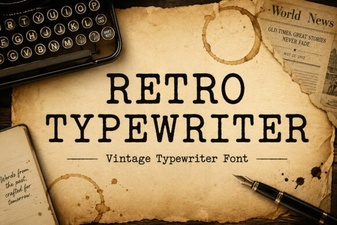 Craft Vintage Style with Retro Typewriter Fonts
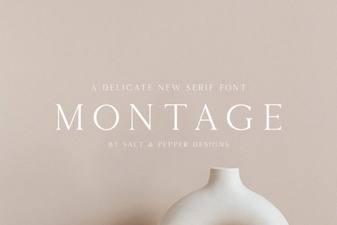 Download Montage Font for Creative Design Projects
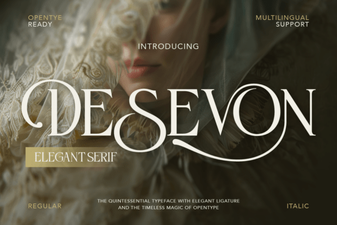 The Desevon Font: Modern Design for Your Creative Projects
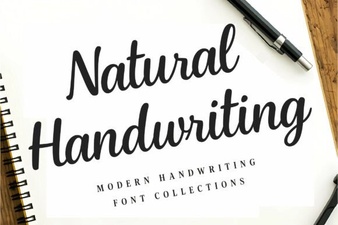 Unique Handwriting Fonts for Creative Projects
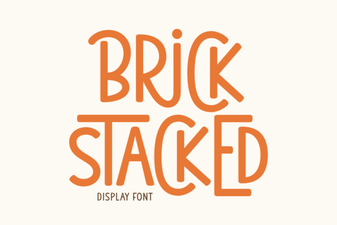 Stacked Brick Fonts for Bold, Modern Design Projects
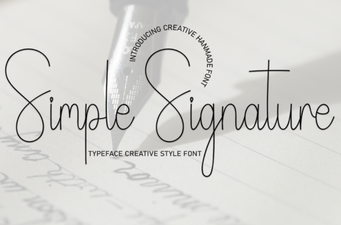 Simple Signature Fonts: Elegant Styles for Creative Projects